- Help & Information
- Winter Driving Safey Guide: Tips for UK Roads
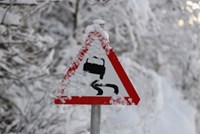 Winter weather conditions in the UK can change rapidly, turning familiar roads into hazardous driving environments. Ice, snow, heavy rainfall, and fog increase road dangers substantially, with stopping distances doubling in wet conditions and increasing tenfold on icy surfaces. Poor visibility stops drivers from identifying and responding to hazards.
Our winter driving guide follows the ABC principle to help you stay safe during challenging weather conditions.
A: Avoid Driving in Severe Weather
When to Stay Off the Roads
Where possible, avoid driving during snow, ice, and other treacherous weather conditions. Key situations to avoid include:
- Heavy snowfall or forecast snow warnings
- Dense fog with visibility below 100 metres
- Severe ice warnings
- Heavy rain and flood alerts
- Extreme wind warnings
Alternative Transport Options
Think about public transport alternatives when weather conditions deteriorate. If you commute by car, discuss flexible working arrangements with your employer in advance, especially if you live in rural areas susceptible to flooding or snow disruption.
B: Be Prepared for Winter Driving
Vehicle Maintenance for Winter
Proper vehicle maintenance is important for winter road safety. Make sure your vehicle is roadworthy by:
Regular Servicing and Checks
- Keep a current MOT certificate
- Schedule regular professional servicing
- Conduct weekly walk-round vehicle inspections
- Check all lights and indicators work correctly
Tyre Safety in Winter
- Inspect tyres weekly for damage and wear
- Keep minimum tread depth of 3mm for wet weather safety (above the 1.6mm legal minimum)
- Check tyre pressure regularly, especially during temperature drops
- Think about winter tyres in areas with frequent snow and ice
Winter Fluids and De-icing
- Fill radiator with appropriate antifreeze mixture
- Use winter-grade windscreen washer fluid
- Keep de-icer spray and ice scrapers in your vehicle year-round
- Check wiper blades are in good condition
Car Battery Maintenance
Vehicle batteries are vulnerable during cold weather. Replace batteries over five years old or showing signs of weakness, such as slow engine starting or dimming lights.
Winter Emergency Kit
Pack a winter driving emergency kit containing:
- Powerful torch with spare batteries
- Warm blanket and spare winter clothing
- Non-perishable food and bottled water
- First aid kit with winter-specific items
- Warning triangle and high-visibility vest
- Cloths for clearing windows
- Fully charged mobile phone (stored safely, never used whilst driving)
- Shovel for snow clearing
- Jump leads or battery pack
Pre-Journey Preparation
Clear All Windows and Surfaces Remove all ice, snow, and condensation from:
- Windscreen (front and rear)
- All windows and mirrors
- Vehicle roof (stops snow falling onto windscreen during travel)
- Lights and number plates
Route Planning
- Check Met Office weather forecasts and warnings
- Plan routes using major roads (more likely to be gritted and cleared)
- Give yourself extra journey time for delays and slower travel
- Tell someone your intended route and expected arrival time
C: Careful, Cautious Driving Techniques
Speed Reduction and Safe Following Distances
Adjust Speed for Conditions Cut your speed when:
- Visibility falls below 100 metres
- Roads are wet, icy, or snow-covered
- Approaching bends and junctions
- Encountering patchy fog (never accelerate through apparent clearings)
Always observe speed limits and temporary restrictions. Your speed should give you enough reaction time for the conditions.
Maintain Safe Following Distances
- Dry conditions: at least a two-second gap
- Wet roads: four-second gap minimum
- Ice and snow: increase to ten seconds or more
- Never follow close to another vehicle's tail lights in fog
Hazard Awareness
Stay alert for vulnerable road users including pedestrians, cyclists, motorcyclists, and horse riders who are harder to spot in adverse weather. Watch for warning signs indicating hazards, temporary speed limits, or dangerous conditions.
Vehicle Control in Winter Conditions
Smooth Driving Technique
- Don't brake harshly or accelerate suddenly
- Do all manoeuvres slowly and carefully
- Keep steering inputs gentle and steady
- Use engine braking by selecting lower gears early
Proper Lighting Usage
- Turn on headlights in poor visibility and gloomy conditions
- Use front and rear fog lights only in dense fog (visibility below 100 metres)
- Switch off fog lights when visibility improves to avoid dazzling other drivers
Driving in Snow and Ice
Snow Driving Techniques
- Pick the highest gear possible to stop wheel spin
- Watch your speed carefully to keep it safe
- Brake gently and progressively to stop wheel lock
- Change to lower gears earlier than usual
- Let vehicle speed drop gradually using engine braking
Skid Recovery
- Never brake during a skid
- Ease off the accelerator smoothly
- Steer gently in the direction of the skid until control returns
- Don't make sudden steering corrections
Recovering from Being Stuck
- Don't spin wheels or over-rev the engine
- Pick the highest gear possible
- Rock the vehicle gently forwards and backwards
- If you can't free the vehicle, stay inside unless help is visible within 100 metres
- Never abandon your vehicle where it may block rescue services
Heavy Rain and Flood Driving
Wet Weather Driving
- Increase following distance due to reduced visibility
- Watch for aquaplaning (steering becoming unresponsive)
- If aquaplaning occurs, ease off accelerator and slow gradually
- Pull over safely if conditions become dangerous
Driving Through Floodwater
- Never go into floodwater of unknown depth
- Only cross if you can clearly see the road surface
- Remember that 60cm (two feet) of water can float most vehicles
- Don't cross if another vehicle approaches from the opposite direction
Flood Crossing Technique If crossing can't be avoided:
- Use first gear with engine revs moderately high
- Drive very slowly to stop creating a bow wave
- Stay in the middle of the road to miss deeper water near kerbs
- Test brakes straight after crossing by driving slowly and applying gentle pressure
- Warn passengers before brake testing
High Wind Driving
Take extra care on:
- Bridge crossings
- Open stretches of exposed road
- Areas with high-sided vehicles or motorcycles nearby
If experiencing buffeting, reduce speed and maintain steady steering. Keep additional distance from motorcycles and lorries affected by turbulence.
Winter Sun Glare
Low winter sun creates dangerous dazzle conditions. Keep sunglasses (prescription if required) accessible year-round. Wear them when the sun is low or reflecting off wet road surfaces. Make sure your windscreen is clean to reduce glare.
Understanding Gritted Roads
Highways England manages motorway and major A-road winter treatment in England, whilst local authorities handle local road networks. Treatment may not be quick, so never assume roads have been gritted. Drive based on actual conditions, not expected treatment.
Winter Driving Summary
Following these ABC principles cuts winter driving risks. Focus on skipping unnecessary journeys in severe conditions, keep up thorough preparation, and use cautious driving techniques that fit the conditions. Your safety and that of other road users depends on responsible winter driving practices.
For current weather warnings and forecasts, visit the Met Office website regularly during winter months.